Starting a dental practice comes with no shortage of challenges, from managing overhead costs to building a steady patient base. But one of the most ...
Why Event Lead Generation Is an Untapped Business Opportunity
Written by: Howard Tillerman
Howard Tillerman is the Chief Marketing Officer for Step By Step Business and an award-winning marketing professional.
Published on July 10, 2026
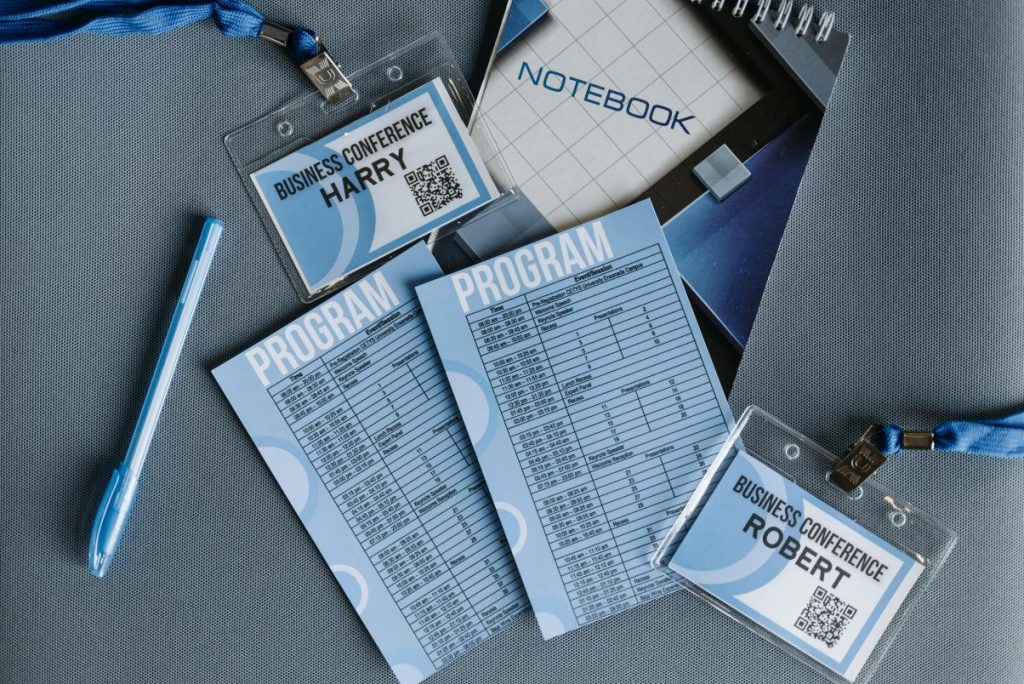
Many businesses spend months refining products, building campaigns, and improving their sales funnel, yet struggle to connect with people who are ready to buy. Focusing too much on online traffic while overlooking industry events can be the culprit. Not many realize that business gatherings place you in front of people interested in what you offer.
Moreover, event-based marketing has evolved into a powerful system for building trust, identifying buying intent, and accelerating growth. Businesses that understand how to turn conversations into long-term relationships gain a serious advantage over competitors relying exclusively on cold outreach or passive advertising.
This article explores why event lead generation remains an underused opportunity and how you can tap it to create measurable business growth.
Solving Common Problems
Many businesses attend events without a clear plan for turning conversations into revenue. They gather stacks of business cards, jot down notes on paper, or manually transfer attendee details into spreadsheets later.
Valuable opportunities are already slipping away by the time the event ends. Potential buyers lose interest when companies fail to follow up quickly or personalize their outreach. Your staff may also struggle with duplicated records, incomplete contact information, or inconsistent data capture practices.
Modern technology solves many of these problems. Using a dedicated lead capture software allows you to manage information instantly, sync attendee records, and reduce unnecessary manual work. These platforms help you capture leads at events in a structured way. Instead of collecting random names, your team can record buying intent, product interest, budgets, and other qualification fields that make future outreach more effective. Some systems operate in offline mode, allowing your team to continue collecting information in areas with weak internet connectivity.
Facilitating Fast Conversions
Trust is one of the reasons event-generated leads perform well. People remember direct conversations, helpful advice, and genuine interactions. That emotional connection creates stronger momentum than many automated marketing channels.
At events, you can observe attendee interest in real time. You see which products attract attention, which questions people ask repeatedly, and which concerns matter most to buyers. This insight helps your sales team prioritize the right prospects and tailor conversations more effectively.
A strong event lead capture app supports better lead scoring. Instead of treating every contact equally, you can identify serious buyers based on behavior, engagement level, or product interest. This lets you separate casual attendees from marketing-qualified leads ready for immediate follow-up. The result is more efficient outreach, stronger conversions, and better overall event ROI.
Creating High-Value Opportunities
Digital advertising dominates modern marketing conversations, but face-to-face interaction still carries enormous value. People want to see products in action, ask questions directly, and evaluate the people behind a company before making decisions. That’s why trade shows and networking events continue to attract decision-makers from every sector.
To put this into perspective, the corporate events market is poised to reach USD$ 510 billion by 2030. This figure shows that businesses continue to invest heavily in live engagement opportunities. Executives realize that strong customer engagement happens faster in person than through months of online outreach.
Unlike random website visitors, event attendees are usually more focused and intentional. They arrive with specific goals or problems they want solved. This improves the quality of your lead generation efforts because you interact with people who fit your target audience.
Events also allow you to showcase expertise in ways that standard advertising cannot. Hosting discussions, running workshops, or presenting product demonstrations can immediately position your brand as credible and knowledgeable.
Where Event Lead Generation Delivers the Best Value
Not every event delivers the same results. Some attract broad audiences, while others bring together highly targeted buyers with immediate purchasing intent. Choosing the right opportunities matters, especially when expanding your business into new markets.
Several event types provide strong returns:
- Association events attract professionals actively looking for solutions, partnerships, or industry insights. These environments encourage meaningful conversations rather than rushed interactions.
- In-person events create stronger personal connections because attendees can experience your products, meet your team, and engage naturally in discussions.
- Virtual events can generate excellent results when paired with smart digital engagement tactics, especially for businesses with remote audiences or international markets.
- Product launches or industry innovation usually attract highly engaged audiences interested in discovering new solutions.
Success depends on preparation. A strong event strategy should include audience research, staffing plans, clear messaging, and measurable goals before everything else.

Building Better Experiences for Attendees
Successful brands understand that events should create memorable interactive experiences that encourage future conversations and long-term trust. Participants remember interactions that feel useful, interactive, and relevant. Investing in creative booth design, engaging presentations, and practical activities encourages conversation. Increasing participation and generating valuable audience insights can be achieved with live polls, demos, or interactive games.
Many businesses use digital tools to improve attendee interaction. QR codes, digital business cards, mobile check-ins, and smart registration forms simplify the experience while improving information accuracy. Your event website also plays a major role. A clear registration page, educational content, and speaker highlights can increase ticket sales while setting expectations early.
The Importance of Pre-Event and Post-Event Strategy
Successful event marketing starts long before the doors open. A well-planned pre-event email campaign helps build awareness and encourage attendance. Combined with pre-event digital advertising, it can significantly improve visibility among your ideal audience.
Speed becomes critical after the event. Effective post-event follow-up keeps conversations alive while your brand is still fresh in attendees’ minds. This may include a personalized email campaign, educational resources, or invitations to future meetings.
Strong email marketing combined with targeted follow-ups allows you to continue the relationship without sounding generic. Sharing personalized content based on attendees’ interests can dramatically improve response rates.
This stage is where many companies fail. They either wait too long or send broad messages that ignore the attendees’ actual needs. A structured lead nurturing framework prevents this problem by guiding prospects through consistent communication over time.
Using Technology to Optimize Leads
Tools with customer relationship management or CRM integration help centralize attendee information immediately after collection. Features like lead routing ensure the right salesperson receives the right contact without delays.
Modern platforms also support broader demand-generation efforts by connecting events with wider digital marketing strategies. For example, attendee behavior can influence future ads, webinar invitations, or downloadable lead magnets.
In addition, content engagement metrics and user-generated content extend the value of events beyond the venue itself. Photos, testimonials, and attendee discussions can strengthen visibility across online channels and even build ongoing event communities.
When paired with a strong event management system, these technologies create measurable efficiency and long-term real enterprise value rather than one-time interactions.
Turning Conversations Into Long-Term Growth
Events remain one of the few marketing channels where you can build immediate trust, gather direct feedback, and create meaningful business relationships in real time. Businesses that approach events strategically often uncover opportunities their competitors completely overlook.
The key is treating events as part of a larger growth system rather than isolated appearances. With the right preparation, technology, and follow-up process, events can become a reliable source of high-quality leads, stronger partnerships, and sustainable business momentum through smarter lead generation marketing efforts.
Subscribe to Our Newsletter
Join our exclusive community! Subscribe to our newsletter
and gain insider access to cutting-edge business insights and trends.
and gain insider access to cutting-edge business insights and trends.
Thank you for subscribing! We can't wait to share our latest news and updates with you. Get ready for exciting content in your inbox.
Featured Resources

How New Dental Practices Can Improve Case Acceptance Without Cutting Prices
Published on April 17, 2026
Read Now

The Growing Role of Auto Refinance in Consumer Financial Health
Published on April 8, 2026
Money stress is a silent killer of peace. You lie awake at night thinking about bills. You wonder how you will cover everything this month. Your car ...
Read Now
5 High-Growth B2B Business Ideas for the 2026 Digital Economy
Published on March 17, 2026
The digital economy is no longer just ecommerce. As we head deeper into 2026, budding business owners are quickly discovering that real moneyisn’t ...
Read Now
Comments